Categories
Introduction to Tri-Cone and PDC Drill Bits
Introduction to Tri-Cone and PDC Drill Bits
Aug 17th,2024
1177 Views
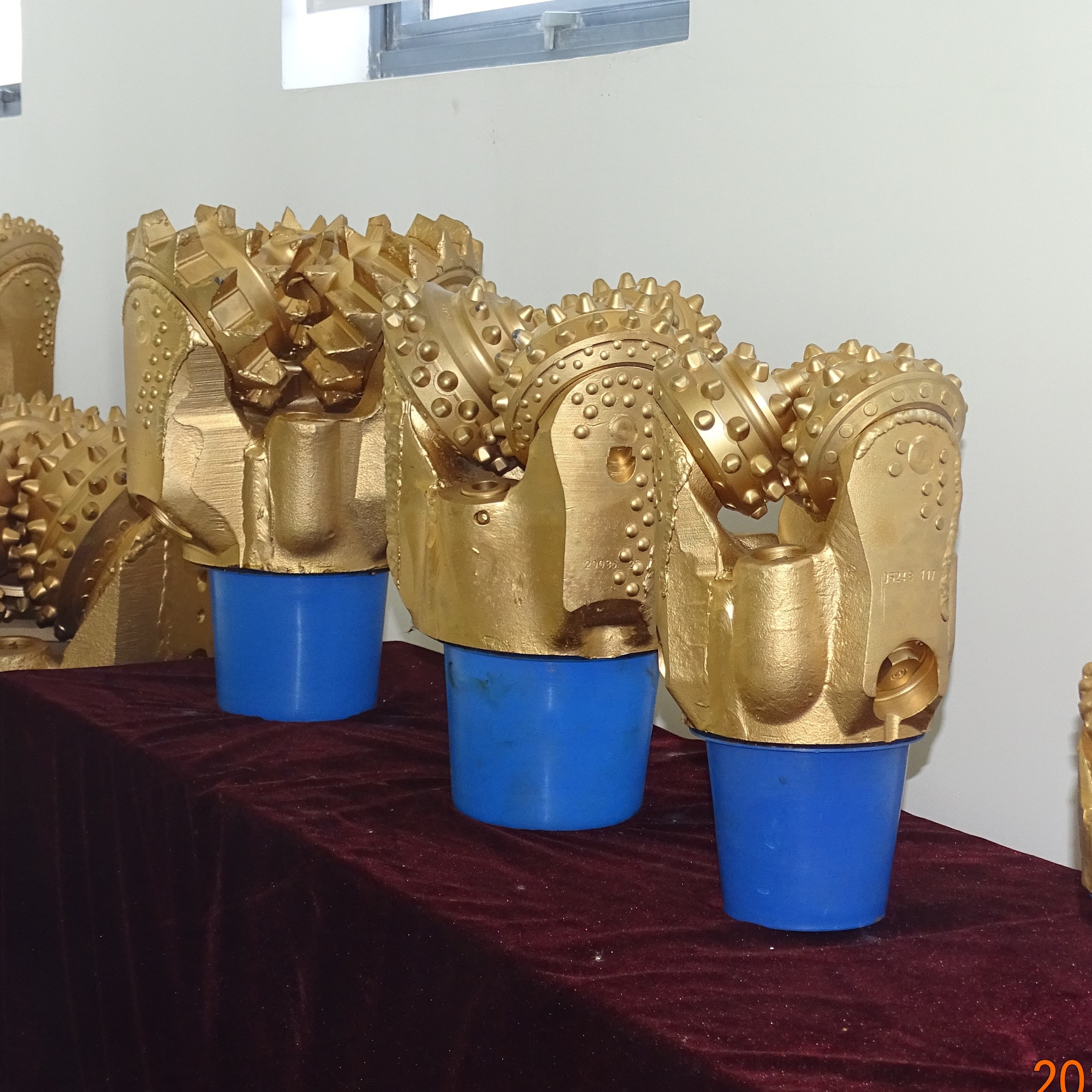
Introduction to Tri-Cone and PDC Drill BitsWhen drilling in the oil and gas industry, the choice of drill bit is crucial. Two popular choices are tri-cone drill bits and PDC (polycrystalline diamond compact) drill bits. While both serve the same purpose of drilling through various formations, they differ in design, performance, and suitability for different drilling conditions. In this article, we will take a closer look at the differences between tri-cone and PDC drill bits to help you understand which one might be the right choice for your drilling project.Triangular cone drill bits - the classic choiceTricone drill bits have been used in the drilling industry for decades and are known for their versatility. These drill bits consist of three rotating cones, each equipped with several rows of teeth or buttons. The cones rotate independently, allowing the teeth or buttons to crush and break the rock formation.One of the advantages of tri-cone drill bits is their ability to handle a wide range of drilling conditions. They perform well in softer formations such as clay, sand, and shale. The teeth or teeth on the cones can be customized to the specific formation, ensuring optimal drilling efficiency.However, tricone bits also have their limitations. They are not as effective when drilling through harder formations, such as limestone or granite. The teeth or buttons wear out quickly in abrasive formations, shortening their service life. In addition, tricone bits require higher weight on bit (WOB) to maintain their drilling efficiency, which increases drilling costs.PDC bits - a modern solutionIn recent years, PDC bits have gained popularity due to their superior performance in certain drilling conditions. These bits consist of a bit body with fixed cutters made of synthetic diamond material. The cutters are strategically placed on the bit body to maximize drilling efficiency.PDC bits excel at drilling through hard and abrasive formations, including limestone, granite, and compacted clay. The fixed cutters on the bit body shear and scrape the formation, making the drilling process smoother. This reduces torque and vibration, thereby increasing drilling speed and overall performance.Another advantage of PDC bits is their longer service life compared to tricone bits. Synthetic diamond cutters are extremely durable and can withstand tough drilling conditions, reducing the need for frequent bit changes. Additionally, PDC bits require less drilling pressure, making them more cost-effective in terms of energy consumption.Choosing the Right Drill Bit for Your ProjectChoosing the right drill bit for your drilling project depends on a variety of factors. Consider the formation type, drilling depth, drilling speed requirements, and budget constraints. Tri-cone bits are a reliable choice for softer formations and offer versatility, while PDC bits are well suited for drilling through harder and abrasive formations.It is also worth noting that advances in PDC bit technology have made them more versatile, allowing them to perform well in a wider range of formations. There are also hybrid bits on the market that combine the benefits of both tri-cone and PDC bits.In summary, tri-cone and PDC bits are two different types of drill bits, each with their own advantages and limitations. Understanding the differences between them and considering the specific drilling conditions will help you make an informed decision when choosing the right drill bit for your drilling project.