Categories
How to choose the heat treatment process for threaded H22 drill rods? Do you know?
Based on decades of research and production practice of threaded drill rods at home and abroad, a better production process route for H22 threaded drill rods is proposed, which is low-carbon and high-strength alloy hollow steel. After forming, the whole body is carburized, and the system is cooled in a special cooling tank. The two ends are heated by medium frequency and then quenched, and low-temperature tempering is performed. Then the internal and external research surfaces can be cleaned, an
Sep 27th,2024
982 Views
How to choose the heat treatment process for threaded H22 drill rods? Let's analyze it together.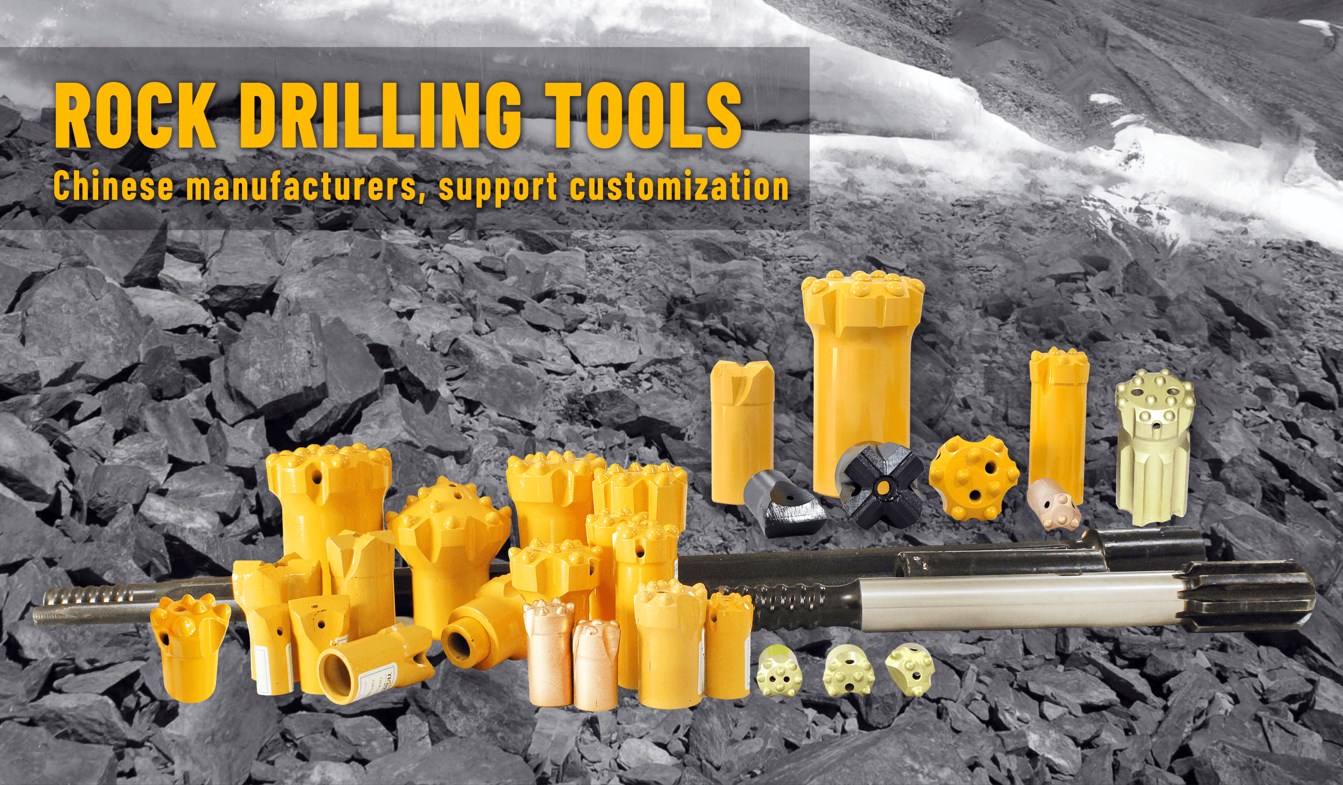 Based on decades of research and production practice of threaded drill rods at home and abroad, YK proposed a better production process route for H22 threaded drill rods is low-carbon and high-strength alloy hollow steel. After forming, the whole body is carburized, and the system is cooled in a special cooling tank. The two ends are heated by medium frequency and then quenched, and low-temperature tempering is performed. Then the internal and external research surfaces can be cleaned, and then an effective anti-corrosion technology treatment is performed.
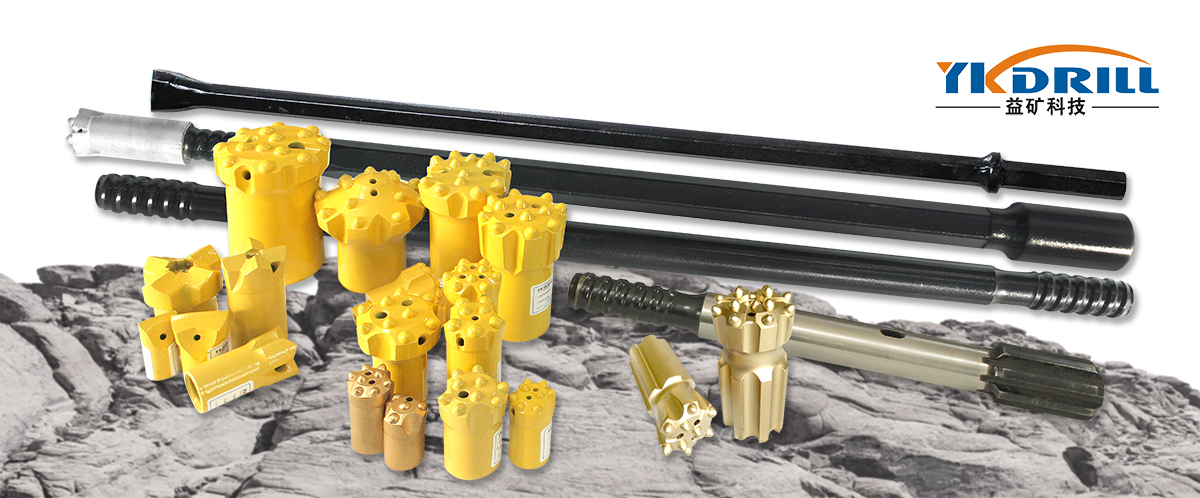 (1) Carburizing processFor the overall carburizing treatment of threaded H22 drill rods, a well-type gas carburizing furnace with a sufficient depth is required. my country has built several well-type gas carburizing furnaces with an effective depth of 4.5-7.0 meters, which use drip gas carburizing. For threaded drill rods, it is very important to control the carbon content of the carburized layer. The carbon content on the surface of the carburized layer is often controlled by the carbon potential in the furnace. The level of carbon potential is related to the selected dripping formula and carburizing temperature. The higher the carburizing surface temperature, the higher the carbon potential, and the faster the carburizing treatment speed; the lower the temperature, the lower the carbon potential, and the carburizing reaction speed can be slightly lower. If the carbon content on the surface of the carburized layer is too high, network carbides will appear, and the brittleness and notch sensitivity of the carburized layer will increase. After quenching, a large amount of coarse martensite and excessive residual austenite will continue to appear, resulting in a decrease in the hardness and wear resistance of the drill rod surface. If the surface carbon content is too high, it will inevitably lead to a steep carbon depth gradient curve, which is easy to cause the carburized layer to peel off.
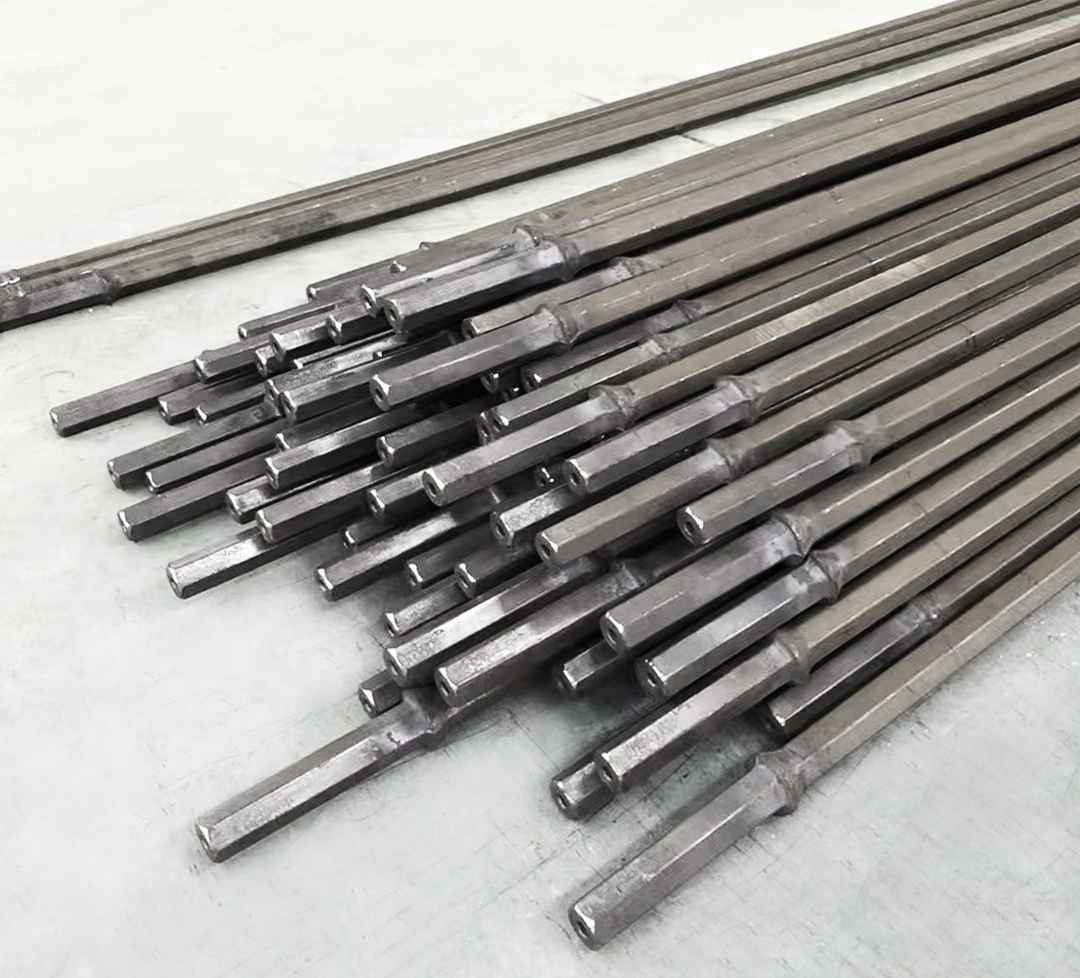 (2) Cooling after carburizing.The main purpose of controlled cooling after carburizing is to ensure uniform hardness of the drill rod body and prevent excessive oxidation or decarburization of the surface of the H22 drill rod during the cooling process. The foreign threaded drill rod special carburizing furnace is equipped with a specially designed controllable cooling device, which can control and adjust the cooling speed with different capabilities to ensure the cooling technology requirements of different diameter varieties of the enterprise and meet the hardness and microstructure development requirements of relevant regulations.After overall carburizing, the long drill rod will produce a large bend after cooling, which adds a lot of difficulties to the straightening of the drill rod. However, after cooling, the drill rod must have good rigidity and elasticity, and the hardness is required to be around HRC40. The bent drill rod of HRC40 is difficult to control and straighten, which increases the workload in the calculation and straightening process. Mass production should be equipped with a high-efficiency straightening machine.In terms of carburizing quality management, each heating furnace should be sampled as a carburizing quality inspection sample, and metallographic analysis, carburized layer thickness measurement, surface network carbide evaluation, etc. should be carried out.
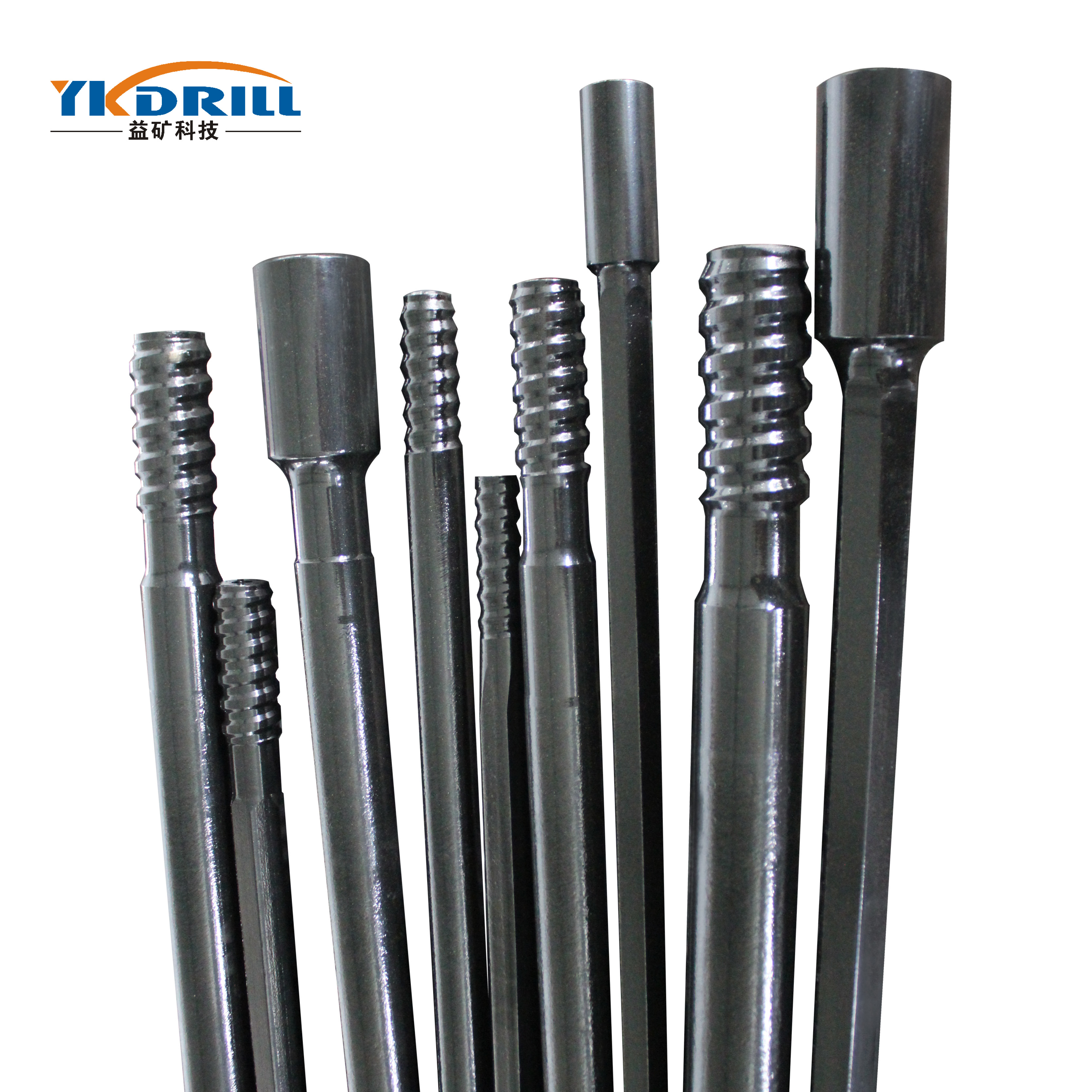 (3) Heat treatment after carburizing.After carburizing, the H22 drill rod is required to improve the wear resistance and fatigue strength of the threaded connection parts at both ends of the enterprise. The quenching and tempering process is: 840-860℃±20℃ quenching oil + 200-220℃ tempering.(4) Other heat treatment processes. However, due to investment or condition restrictions, some domestic drilling tool manufacturers cannot use the carburizing heat treatment process because they do not have a deep well gas carburizing furnace and have to produce threaded drill rods. Some factories use domestic 35SiMnMoV steel, and the screw rods are produced using conventional quenching and tempering processes or isothermal quenching and tempering processes.